 Many historic homes in Atlanta still have their original wood windows, but many homeowners don’t realize these windows were designed to be maintained rather than replaced. Understanding how glazing putty works—and how to maintain it—can help owners of older Atlanta homes protect their windows and avoid unnecessary replacement costs.
Atlanta’s historic neighborhoods—from Virginia-Highland and Druid Hills to Morningside and parts of Buckhead—contain thousands of homes built between the 1920s and 1940s. These houses often use traditional building materials that behave differently from modern construction, which is why regular maintenance is important.
Spring is a good time to check a few areas that are commonly overlooked.
Maintaining Original Wood Windows
Many historic homes still have their original wood windows, and with proper maintenance they can last for well over a century.
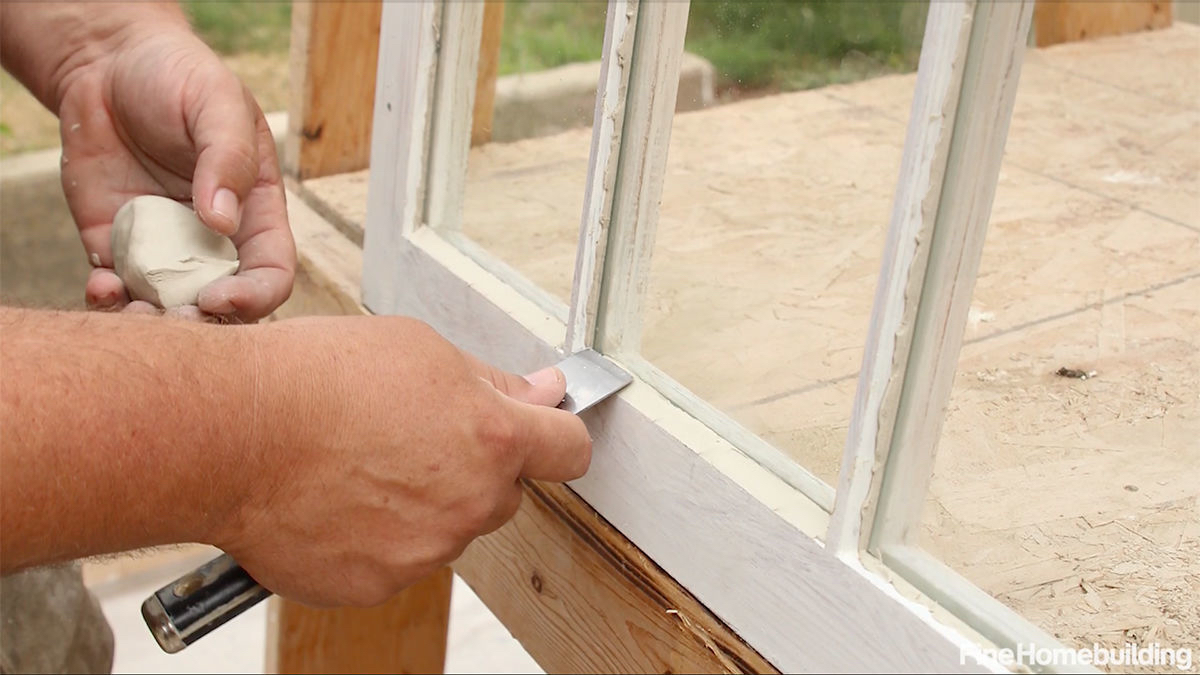
Traditional windows hold the glass in place using glazing putty, a compound historically made from linseed oil and chalk. The glass is set into a bed of putty, secured with small metal glazing points, and then sealed with a smooth exterior bevel of putty that sheds water away from the sash.
Over time, the putty slowly dries and begins to separate from the glass. When this happens, rainwater can reach the wood beneath the glass and eventually cause deterioration in the sash.
Fortunately, these windows were designed to be maintained and repaired rather than replaced, and reglazing is considered routine upkeep.
How Glazing Putty Protects Historic Windows
A properly glazed window forms a tight bond between the glass, the glazing compound, and the wood sash. When done correctly
• The putty seals the glass and prevents water infiltration
• The putty edge sits slightly inside the sash rabbet so it’s not visible from the interior
• Exterior paint overlaps the glass slightly, sealing the edge of the putty
• Traditional linseed-oil putties tend to perform better on historic wood windows than many modern acrylic substitutes
When glazing begins to crack or separate from the glass, it doesn’t necessarily mean the window has failed—it simply means the window may be due for maintenance.
Many homeowners assume deteriorated glazing means windows must be replaced. In reality, reglazing and repainting can often extend the life of historic windows for decades.
Spring Exterior Maintenance Tips for Older Atlanta Homes
While inspecting windows, it’s also a good time to check several other exterior elements common in older Atlanta homes.
Small maintenance items addressed early in the season can prevent more expensive repairs later.
Checking Gutters and Water Management
Many maintenance problems in older houses begin with water management.
Spring storms in Atlanta can quickly overwhelm clogged gutters. When gutters overflow, water often runs behind fascia boards and trim, which can eventually affect nearby windows and siding.
Check for:
• Downspouts that have pulled away from the house
• Gutters holding standing water
• Splashback staining on siding or brick
• Debris buildup near roof valleys
Cleaning gutters once in early spring can prevent a surprising amount of moisture-related damage.
Inspecting Exterior Wood Trim and Porch Elements
Homes built before mid-century often have extensive wood trim, porch columns, and decorative elements that benefit from periodic inspection.
Look at:
• Porch column bases
• Window sills
• Exterior door trim
• Decorative brackets or moldings
Paint that is cracking or separating from the wood is often an early sign that moisture is beginning to affect the surface.
Why Older Materials Were Designed to Be Maintained
Many materials used in historic homes were designed with the expectation of periodic maintenance rather than replacement.
Examples include:
• Wood windows
• Solid wood doors
• Lime mortar in masonry
• Hardwood flooring
Understanding how these materials were originally intended to work can make owning an older home much easier.
Atlanta’s historic neighborhoods contain many homes that have already lasted nearly a century. With proper care—especially of original wood windows—these houses can remain durable, efficient, and beautiful for generations.
If you’re considering selling a historic home in Atlanta, understanding how older homes are maintained can also help you prepare the property for the market and highlight the features buyers value most.